
Gender Pay Gap Report 2026
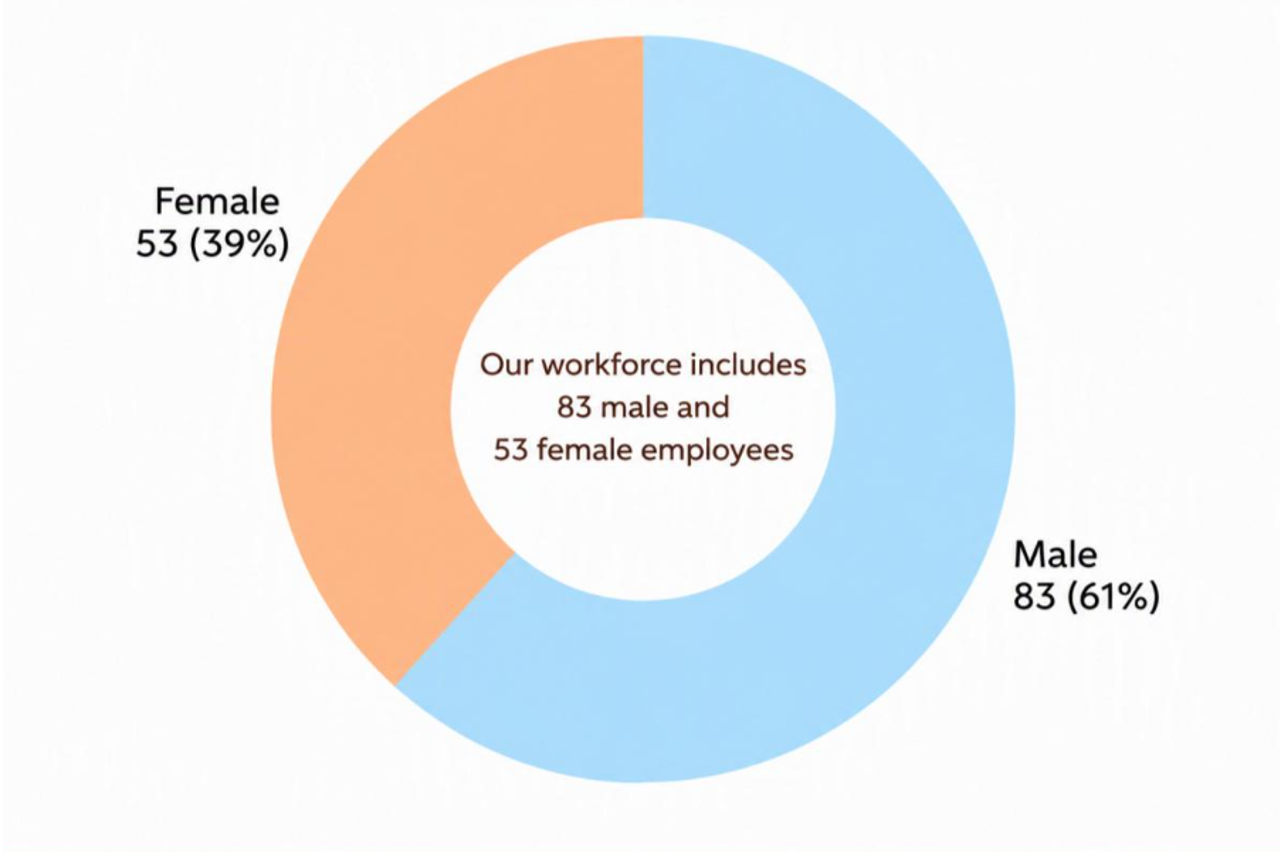
At Statkraft Ireland, we are committed to transparency, fairness, and equality. This report shares our 2026 gender pay gap data and the actions we are taking to address it. The analysis covers 136 employees.
Our Gender Pay Gap Report covers the six requirements set out under the Gender Pay Gap Information Act. These are:
- Hourly pay gap for all employees
- Percentage of male and female employees in receipt of bonus pay and BIK
- Bonus pay gap
- Gender distribution across pay quartiles
- Written statement
Statkraft’s compensation framework is designed to be inclusive and free from bias. All remuneration decisions, including starting pay, follow the same rules, regardless of gender.
Statkraft uses the Hay Method of job evaluations. This is a gender-neutral system that looks at knowledge, problem-solving and responsibility. It is widely used by companies around the world and helps compare jobs of equal value across teams and with the market.
Our approach goes beyond compliance. It combines strong governance, targeted training, external partnerships, family-friendly policies, and feedback mechanisms to create an inclusive and equitable workplace for everyone.

Calculating the Gender Pay Gap
Statkraft Ireland calculated its gender pay gap metrics in line with the Gender Pay Gap Information Act 2021. It used a snapshot date of 30 June 2026, with a reference period of 1 July 2025-30 June 2026. At this time, there were a total of 136 employees.
The gender pay gap is determined by employing two key metrics:
- Mean gender pay gap - this shows the difference between the average pay of men and women in the organisation. To calculate it, everyone’s pay is converted into an hourly rate, these are added up for each group and then divided by the number of employees.
- Median gender pay gap - this shows the difference between the middle point of pay for men and women. In other words, if all salaries were lined up from lowest to highest, the median compares the pay of the person in the middle of each group.
The calculation of the mean and median bonus gender pay gap employs the same methodology
Key Findings
Average Hourly Pay and Bonus Gap
The average hourly pay of men at Statkraft is 18.0% higher than the average pay of women. Our mean bonus gap shows the average bonus pay of men at Statkraft is 23.5% higher than it is for women.
BIK and Bonus Eligibility
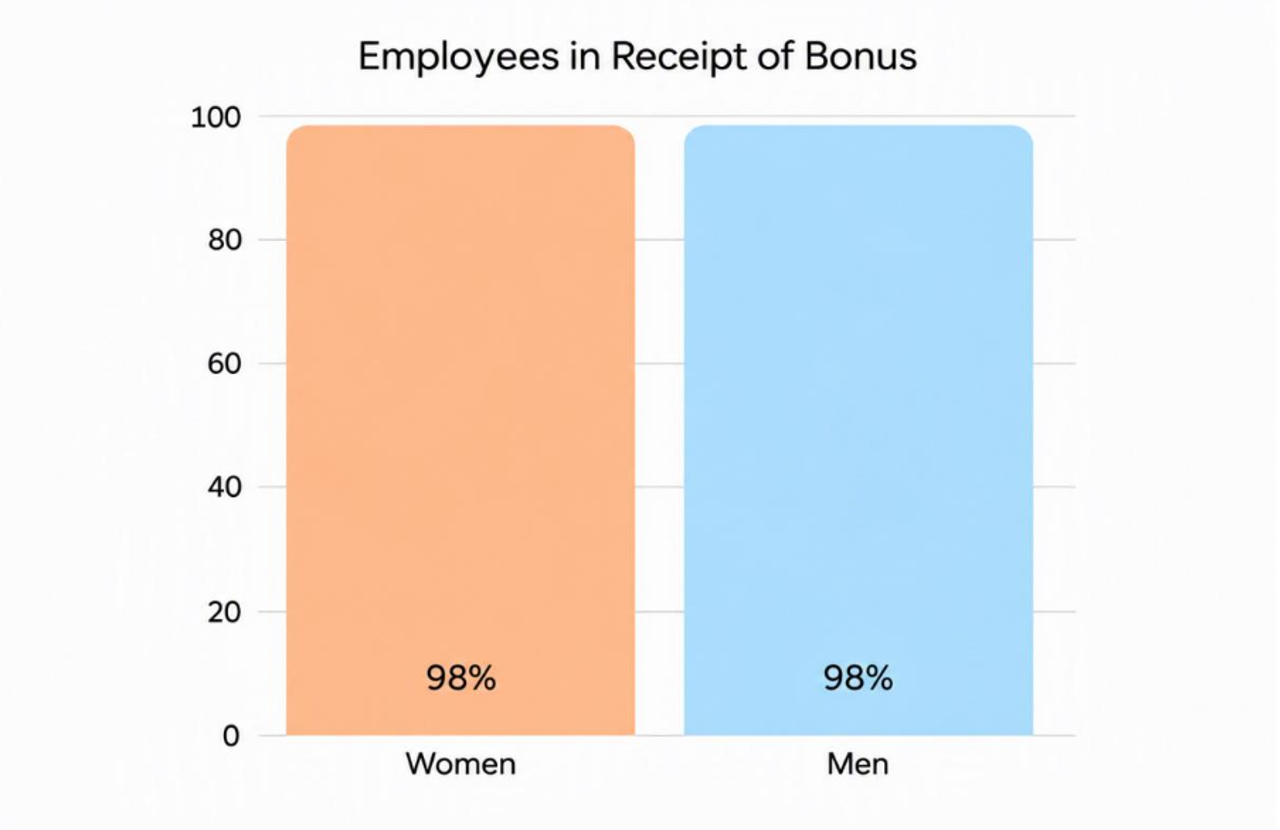
Bonus and benefit-in-kind (BIK) eligibility is nearly equal across genders, with 98% of women: and 98% of men receiving bonuses, and 86.8% of women vs. 90.4% of men receiving BIK.
Gender Pay Quartiles
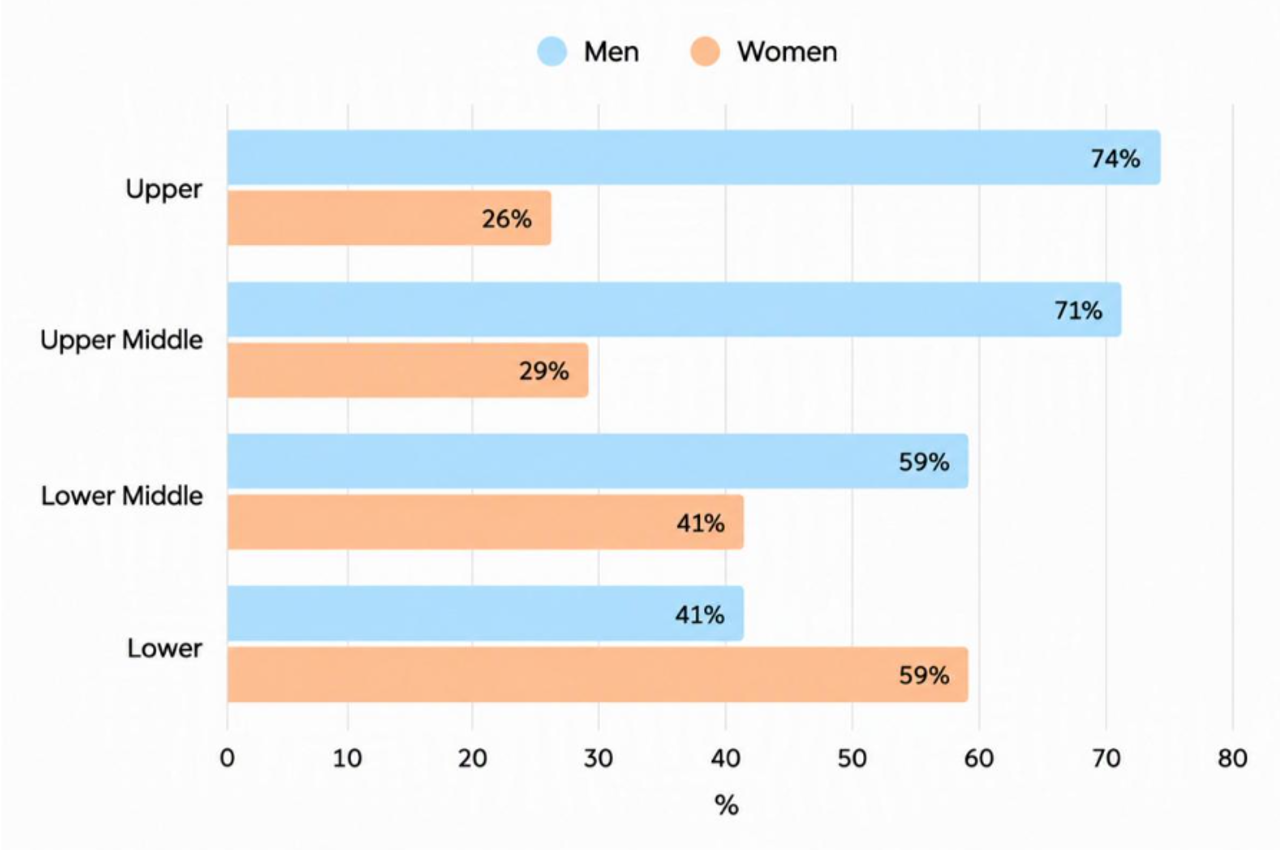
Our pay quartiles show the highest proportion of men are found within the upper pay quartile. Roles within the upper pay quartile typically command higher market salaries and opportunities for greater financial incentives. Female representation is notably lower at higher levels. This indicates a potentially smaller talent pool of females progressing into senior management and executive positions compared to the rest of the organisation, which will affect the gender pay gap.
Our Commitment to Closing the Gap
Statkraft is dedicated to fostering an inclusive work environment by having policies and practices in place to promote equality and provide equal opportunities for all employees regardless of gender.
Pay and Job Architecture
Statkraft benchmarks salaries against market data and reviews them annually. Roles are graded using the Hay method to ensure fairness and gender neutrality in job architecture and compensation. Regular pay audits at both local and corporate levels help identify and correct any gender-based differences.
Family Support
We support families through a regularly updated family-friendly policy, paid maternity, paternity and parental leave, and a flexible hybrid working model. Structured family leave checklists help managers and employees before, during and after leave to ensure smooth transitions and prevent attrition.
Representation and Inclusion
Statkraft aims for at least 40% representation of each gender in management roles by 2030. Local DE&I initiatives celebrate diversity and educate employees, while the Global Women and Allies Network promotes gender equity and drives advocacy worldwide.
Would you like to learn more?
Kate Kelleher
HR Business Partner Ireland