
Climate and Circularity
Tackling climate change demands both decisive action and smarter use of the resources we rely on. At Statkraft Ireland, climate action and circularity go hand in hand: we’re committed to accelerating the energy transition with renewable power while reducing the environmental footprint of our own operations. Renewable energy is vital in combating climate change, and we are continually working to minimise emissions across the lifecycle of our assets and transforming how we use materials across project development.
Climate
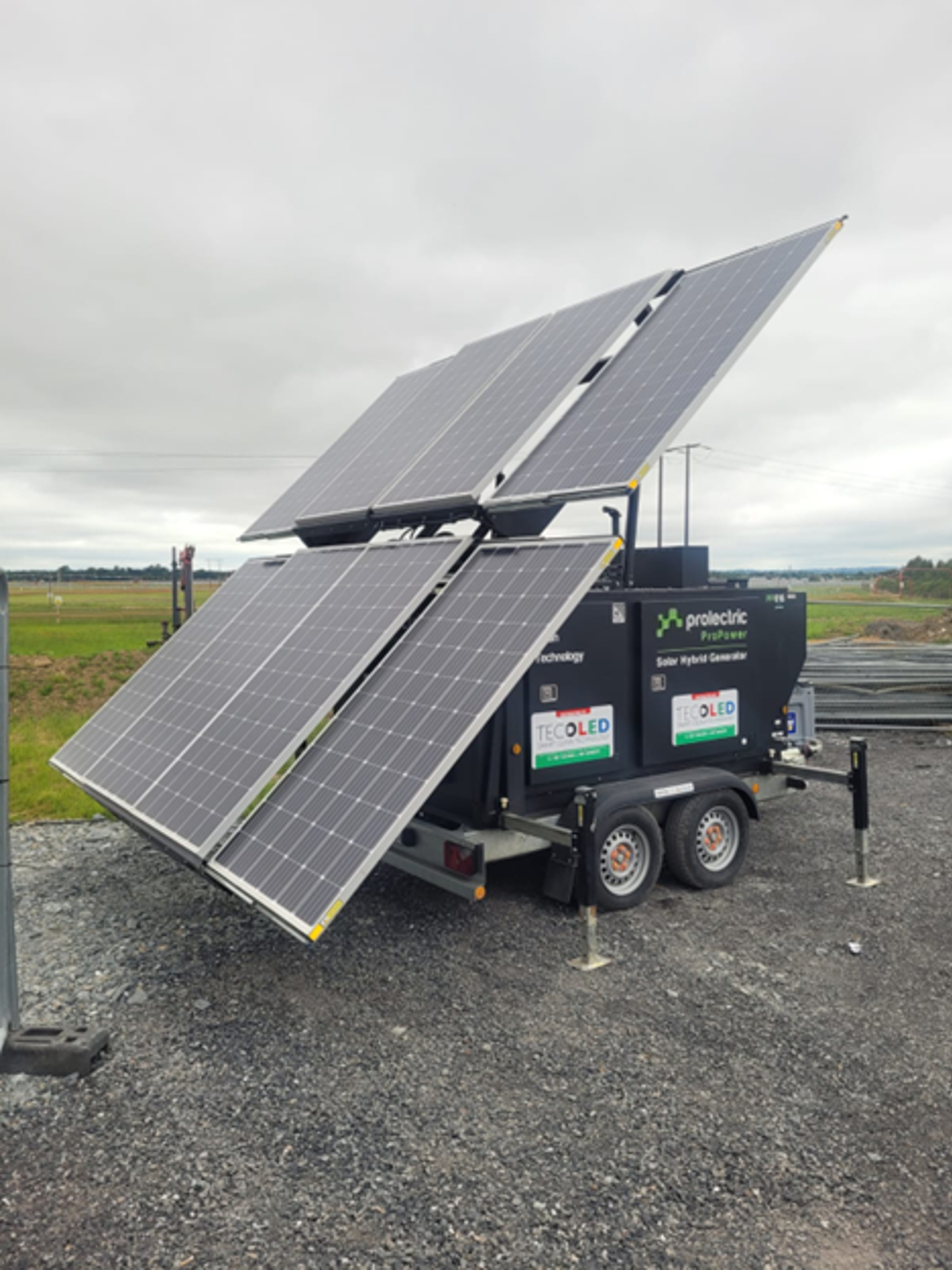
Climate and the energy transition go hand in hand. At Statkraft Ireland, we understand that renewable energy is vital in combatting climate change, but we still need to take action on our own climate impact. For example, we've started to introduce low‑carbon power sources for project site operations at the construction phase such as hybrid generators (pictured) and have also introduced the promotion and tracking of GGBS in concrete materials.
While all forms of energy production result in some greenhouse gas emissions (whether directly or indirectly), its important to remember that the development of renewables and the work of Statkraft Ireland is essential to deliverying effective climate action. In 2025 alone, our Operations Team based in Ireland managed over 1.5 million MW of renewable energy; the equivalent to the annual emissions of almost 200,000 cars.

Circularity
Statkraft’s ambition is to become a circular business by 2050, setting priorities based on deep understanding of resource inflows and outflows, and systematically assesses what the risks, impacts, and opportunities are for the resources it uses.
In our Irish projects under development we have implemented a waste management hierarchy.
A key part of our work is closing loops in a way that helps us keep materials in the economy at their peak value for as long as possible and have committed to no blades to landfill along with continued colloboration with our contractors and suppliers to maximise circularity.